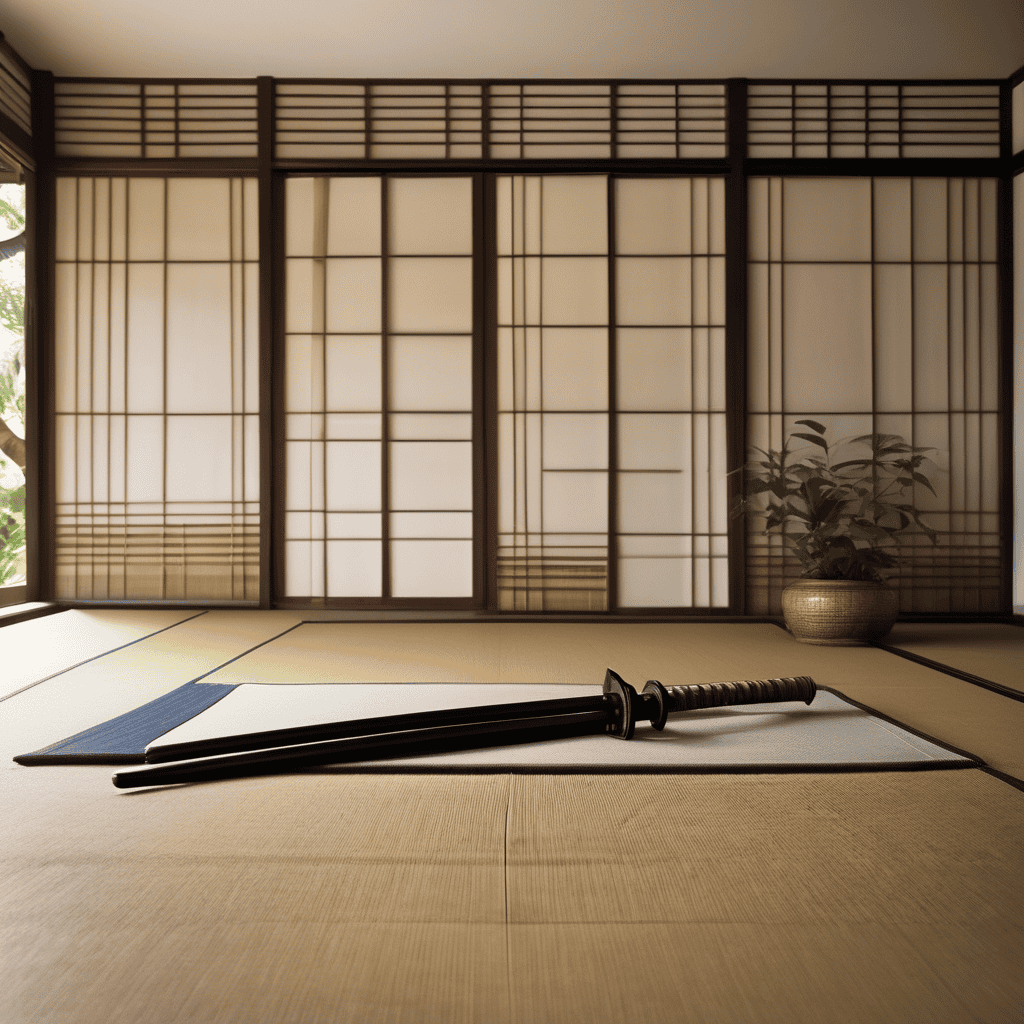
In 1983, Viliame Takayawa, a local judo expert, embarked on an ambitious initiative to introduce the principles of Samurai philosophy to his judo club instructors. An article published in The Fiji Times on January 20 of that year reported on a demonstration Takayawa had conducted with senior instructors at the YMCA Hall, where he showcased the use of the Samurai sword.
Takayawa, serving as a national judo instructor, explained that the swords were not just weapons but tools to nurture self-confidence, especially in challenging situations when one might feel overwhelmed. “During practice, learners had to be actually touching the sword in order to get the spirit of Samurai,” he emphasized. This approach aimed to instill a sense of mental fortitude and resilience among students.
The Samurai swords used in the demonstrations comprised a long metre-length sword and a shorter one for defensive maneuvers. Historically, these weapons were wielded by Samurai warriors in Japan, who relied on them for self-defense long before firearms made their way into Asia. Takayawa revealed that he brought these swords back from Japan after completing an instructor’s course at Tokai University in 1977, aiming to enrich his judo teachings with the Samurai spirit.
He drew parallels between the Samurai sword’s application and the use of sticks in Kendo, highlighting the importance of mental toughness and the warrior spirit. Takayawa’s initiatives were focused on igniting this battle spirit within his students, conveying that true strength lies in the ability to continue fighting even when faced with adversity, such as being injured or handicapped.
Through this unique blend of judo and Samurai philosophy, Takayawa sought to inspire a new generation of martial artists who embody not only physical prowess but also a resilient mindset rooted in the rich traditions of Samurai culture.
Leave a comment