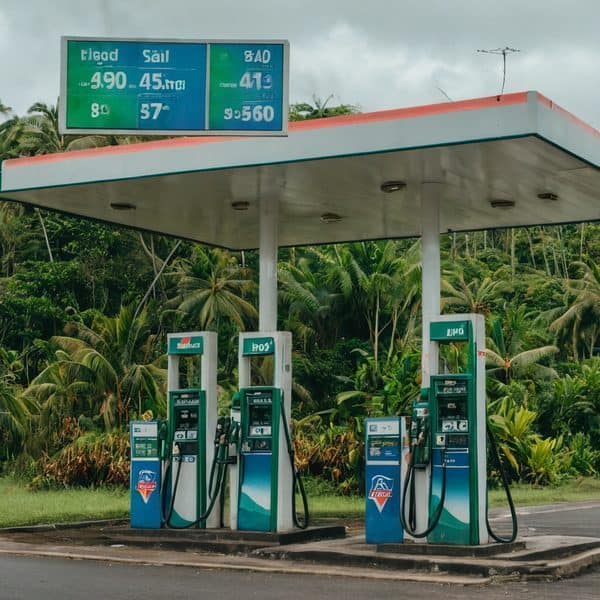
Fiji faced a sharp jump in fuel prices from April 1, with petrol rising from $2.44 to $2.93 a litre (a 20 per cent increase), diesel climbing from $2.14 to $2.89 a litre (35 per cent), kerosene surging from $1.69 to $2.40 a litre (71 per cent) and premix moving up to $2.76 a litre. The increases, set by the Fijian Competition and Consumer Commission (FCCC), have prompted public concern about an immediate rise in the cost of living and warnings that further increases could follow.
Officials linked the spike to higher global oil prices, geopolitical tensions affecting key shipping routes such as the Strait of Hormuz, Fiji’s heavy reliance on imported fuel, currency pressures and rising refined fuel costs abroad. Government ministers have cautioned that the fuel reset will feed through into higher bus fares and transport charges, increased costs for food and goods that rely on freight, steeper tourism travel prices and a broader rise in household expenses.
As part of a short-term response, the government is urging households and businesses to carpool, reduce non-essential travel and make greater use of public transport to ease immediate pressure while families rework budgets. The FCCC said it sets maximum retail rates by reference to international fuel prices, freight and other import expenses, and implemented the new ceilings on April 1.
The price shock is already reshaping daily routines. Maria, who works in Suva and lives in Wailoku, told reporters she has switched to cooking staples on an outdoor fireplace and has stocked up on firewood to cut reliance on kerosene and electricity. As the household’s sole breadwinner supporting two sons and her husband, she has trimmed supermarket purchases, buying more local products and cutting items such as peanut butter and cereals. She also said the higher premix price has made her cautious about using her brush cutter.
Suva accountant Joseph, the provider for a family of five, said they are planning car trips more carefully and relying more on fresh food bought at markets. He and his family have expanded home gardening — planting bele, passion fruit, soursop and dragon fruit — to supplement meals and reduce dependence on imported supermarket items expected to rise in price. Judy, a single resident, has cut back on electricity use and restricted purchases to essentials.
Retiree Hassan, who lives in Nasese, described consolidating errands — combining dentist visits, bank trips and volunteering duties at Pearce Home — to minimise fuel consumption. He also walks to nearby shops to top up groceries when possible, freezes portions to reduce cooking frequency, and prefers fresh produce from markets to processed supermarket foods. Hassan warned the higher costs are likely to persist for years, urging households to rethink spending and savings strategies.
Institutions are tightening belts as well. Matron Bau, manager of the Butt Street retirement home, has instructed staff to reduce electricity use, limit hot water baths, turn off fans on cooler days and ration detergents and food supplies without compromising hygiene or resident care. Across Fiji, shoppers and service providers say they are altering habits, cutting non-essential spending and preparing for the downstream effects of fuel-driven inflation as the country adapts to the new price baseline.
Leave a comment