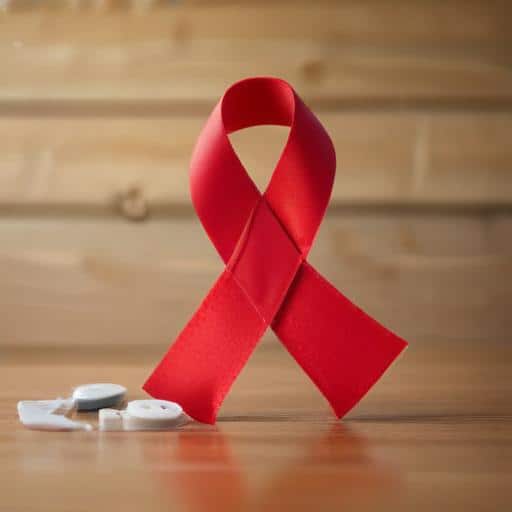
Fiji has experienced a concerning spike in HIV infections, with 1,583 new cases reported, predominantly among the iTaukei community. This illustrates a significant public health challenge, particularly as 1,430 of the new diagnoses belong to the iTaukei ethnicity, followed by 133 from the Indian community and 20 from various other backgrounds. Alarmingly, 32 of these new cases involve newborns who contracted HIV through mother-to-child transmission, revealing critical gaps in preventive strategies during pregnancy.
The demographic most affected by this surge consists of young adults aged 20 to 29, accounting for 815 of the new diagnoses. Males made up a substantial portion of the new infections, highlighting the crucial need for targeted interventions among high-risk groups. Among those diagnosed in 2024, 770 have linked to care, with 711 starting antiretroviral treatment (ART), underscoring a proactive approach in managing the epidemic.
Fiji’s Health Minister, Dr. Atonio Lalabalavu, described these statistics as indicative of a long-term crisis. He emphasized the importance of community collaboration, asserting that HIV should not be viewed as a death sentence anymore. The Health Ministry aims to revamp its Sexual and Reproductive Health unit to improve cross-sectoral responses and combat stigma associated with HIV.
The transmission data indicates injecting drug use as a leading cause, affecting 337 of the cases, along with 332 linked to sexual transmission. The rise in co-infection with tuberculosis is also alarming, with 160 individuals diagnosed with both conditions this year. Notably, the Central Division reported the highest incidence of new HIV cases, reflecting serious challenges that require immediate and sustained action.
Health Minister Lalabalavu called for a collective effort among all sectors of society, stating that addressing HIV transcends health and must encompass education, gender, and social protection. By fostering a supportive community environment and implementing comprehensive health strategies, Fiji can work towards reversing the current trend of HIV infections.
This approach is bolstered by continued efforts to enhance awareness, reduce stigma, and improve access to healthcare services, which can significantly impact the management of HIV in Fiji. The hope remains that with sufficient public engagement and targeted strategies, health outcomes can improve, transforming the narrative around living with HIV in the community.
Leave a comment