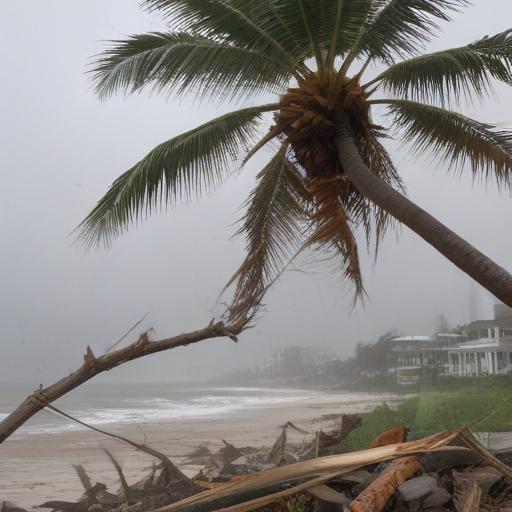
Tropical Cyclone Rae has departed from Fiji’s waters, but its aftermath continues to affect the region, especially with strong to gale-force winds still felt across the Southern Lau group. The Fiji Meteorological Service has announced a gale warning for areas including Vatoa, Ono-I-Lau, Moce, Komo, Namuka-I-Lau, Kabara, Fulaga, and Ogea. In addition, a strong wind warning remains in effect for the Yasawa, Northern and Central Lau group, Kadavu, and nearby smaller islands. Fortunately, the previous strong wind warning for northeastern parts of Viti Levu has been lifted, providing some relief.
A heavy rain warning continues for the entire Fiji Group, and a flash flood warning is in place for all small streams and low-lying areas, which are prone to flooding. Residents are urged to exercise caution and prep for potential flooding, given the possibility of flash floods in susceptible regions.
Fijians have historically shown resilience and unity in the face of natural disasters. Local leaders are emphasizing the significance of community preparedness. They encourage individuals to secure their homes and stay informed through local channels, drawing on past experiences that demonstrate how collective action can effectively address crises. As the community comes together, there is hope that these concerted efforts will bolster solidarity among residents while confronting the challenges posed by the cyclone.
In weathering this challenging time, Fijians are reminded of the strength found in mutual support. They are encouraged to remain vigilant and proactive in protecting their health and safety as they navigate this weather event.
This situation serves as a testament to the community spirit of Fiji, highlighting how individuals can contribute to each other’s well-being during difficult times.
Leave a comment