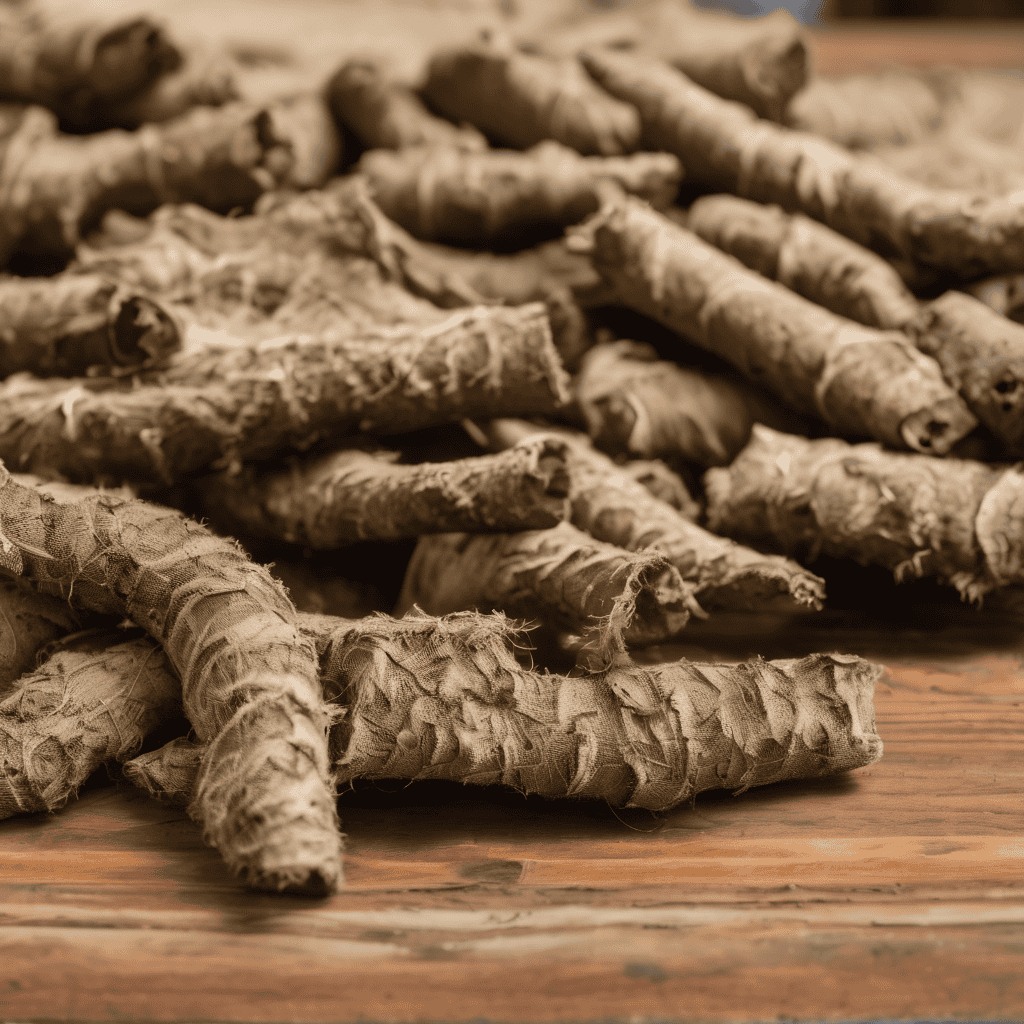
The United States Food and Drug Administration (FDA) has officially designated kava as a conventional food under federal law, marking a significant development in its status within the country. This decision comes after years of controversy surrounding kava, which has faced scrutiny in the U.S. and Europe since it was first exported in the early 1990s.
The FDA clarified that kava, when prepared traditionally by steeping the roots in water, holds a legitimate place in the American food market. This acknowledgment provides a clear guideline for policymakers and health inspectors on how to handle kava within existing food safety regulations.
Pacific island exporters have encountered challenges in distributing kava to various nations due to negative perceptions associated with its use alongside non-traditional substances such as alcohol and narcotics. With the FDA’s recent clarification, these exporters are hopeful it will facilitate the growth of the kava market in Australia and Europe, where legislative hurdles have previously classified kava as a drug.
In the United States, particularly on the West Coast, there has been a growing interest in kava, leading to increased exports from the Pacific region and the emergence of kava bars, which have surged in popularity over the past decade. In 2024, Vanuatu and Fiji’s kava exports to the U.S. are projected to range between $26 million and $45 million.
The FDA emphasized that kava’s historical use as a beverage significantly informed their evaluation of traditional foods, shaping the latest ruling. “You are correct that kava mixed with water as a single ingredient conventional food would generally not be regulated as a food additive if the tea is consumed as food,” the statement from the FDA confirmed.
This positive turn for kava reflects not only an evolving understanding of traditional foods within the FDA but also an opportunity for Pacific nations to expand their markets and share their cultural heritage with a broader audience.
Leave a comment