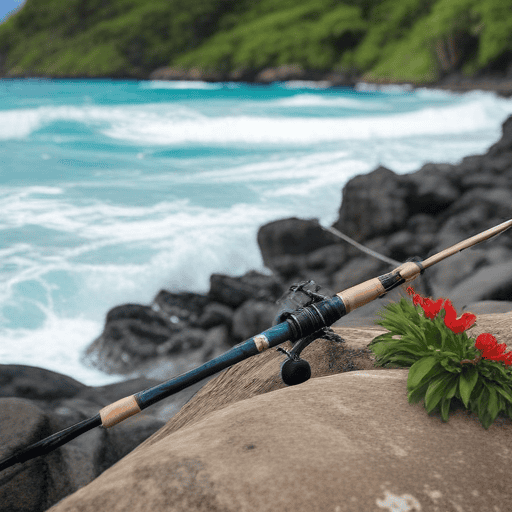
This article discusses the start of a new year and the significance of January, also known as the month of the “Rabbit fish” in Fijian culture. January, which marks the beginning of the year, is traditionally considered an important time for the Fijian people, linking their history with their cultural practices and natural resources.
The article highlights the richness of the land and sea during this period, emphasizing the vital role that various natural elements play in the lives of the indigenous people, both historically and in contemporary times. Notably, the season is associated with the continued rains and rough seas that bring a wealth of fish and other marine resources, which are crucial for their sustenance.
The following sections enumerate various aspects of this season, including the behavior of specific fish and the environmental conditions. They touch on the biodiversity unique to this time, such as the habits of particular fish species and the overall abundance of marine life.
By acknowledging the connection between traditional practices and natural events, this article not only educates readers on the Fijian culture but also on the importance of environmental sustainability.
In summary, this new year brings renewed opportunities for fishing and celebrating cultural practices tied to the ocean and land. It underscores a hopeful outlook on preserving such rich traditions and the natural environment for future generations to enjoy. The community’s deep respect for their resources reflects an understanding that these are foundational to their identity and livelihood.
This positive emphasis on cultural continuity and environmental stewardship can inspire others towards a similar respect for their local ecosystems and traditions, fostering a global connection to the environment.
Leave a comment