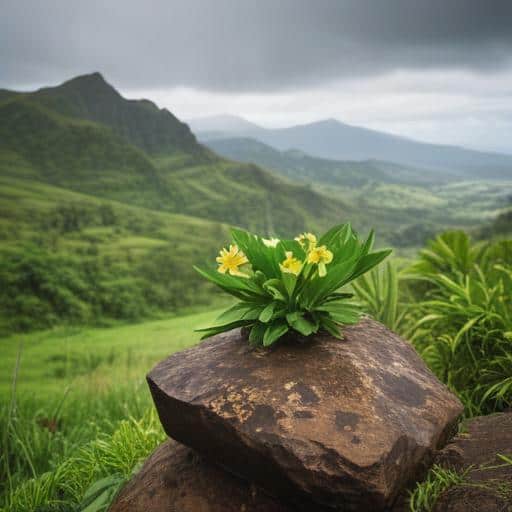
Nadarivatu, a region known for its serene beauty and historical significance, poses a challenging journey for those daring to explore its mountainous terrain. Ascending from Waikubukubu Village to this highland paradise is a steep climb, but the rewards are plentiful. Visitors are greeted by breathtaking views and a tranquil atmosphere that seems almost otherworldly, providing a much-needed escape from the fast-paced modern life.
Nestled within the region is the Stone Bowl Lodge, a mountain retreat steeped in history. Originally built by William Ernest Goodsir during the British colonial period, this lodge has been adapted from Goodsir’s residence into a welcoming space for travelers seeking solace in nature. Goodsir, known for his contributions to the timber industry as the managing director of the Nadarivatu Timber Company, helped to cultivate the area’s resources while ensuring comfort for those who lived there.
Historically, Nadarivatu served as a hill station and a sanatorium in the late 1800s, attracting notable figures like Fiji’s fifth governor, Sir John Bates Thurston, and resident commissioner Adolph Brewster. These leaders played significant roles in establishing the region’s colonial infrastructure and promoting its development as a retreat. The area once thrived with a vibrant community, showcasing amenities like tennis courts and pools that catered to its elite visitors.
The natural ecology of Nadarivatu is as compelling as its historical narrative, with lush forests housing endemic bird species and diverse plant life. The recent inauguration of the Nadarivatu Forest Park adds to its appeal, offering activities such as hiking, birdwatching, and camping for those wishing to immerse themselves in the rich tapestry of nature. Guesthouse hostess Mere Tuinamu reports that past visitors rave about the peacefulness of the lodge, noting it provides unmatched relaxation and restorative experiences.
Although accessing and developing Nadarivatu has presented challenges, enthusiasm for its restoration and revitalization has instilled a sense of hope among communities and visitors alike. Continued efforts to preserve its historical structures and natural landscapes highlight the importance of this region as a living testament to Fiji’s colonial past and ecological heritage.
With all that Nadarivatu offers in terms of history, beauty, and adventure, it stands as a promising location for future tourism, inviting both locals and international visitors to reconnect with Fiji’s rich cultural legacy while enjoying the restorative power of nature.
Leave a comment