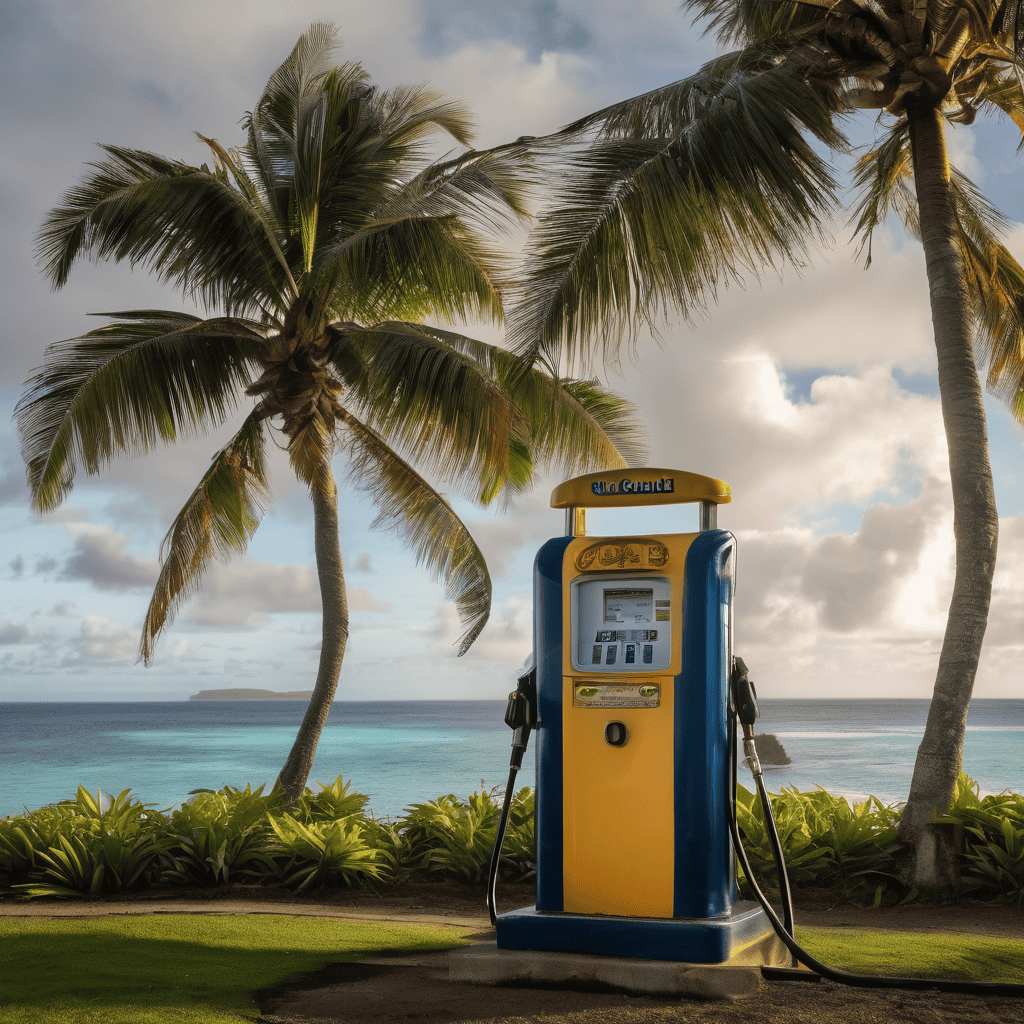
Cook Islands Prime Minister Mark Brown has instructed senior officials to ensure the security of the nation’s fuel and essential supplies amid rising tensions in the Middle East that threaten to increase global energy prices, shipping costs, and travel disruptions. The recent multi-front conflict, which involves coordinated strikes by the US and Israel against Iran, has ignited retaliatory missile attacks across the Gulf states and prompted Israel’s ground invasion of southern Lebanon.
According to the World Economic Forum, the latest escalation in the Middle East is already impacting global trade. Following the strikes on Iran, oil and natural gas prices have surged. The situation has also led to the effective closure of the Strait of Hormuz, a crucial maritime passage through which approximately 20 percent of the world’s crude oil and natural gas is transported.
Prime Minister Brown expressed concern for the potential ramifications of the conflict on the Cook Islands, a nation that is positioned at the end of the global supply chain. “The fast-developing situation is creating concern within the international community,” he stated. “Although the conflict is distant from our shores, global events of this nature inevitably impact us.”
He cautioned that the immediate consequences might be felt in global energy markets, as rising oil prices could lead to increasing costs for petrol and diesel in the Cook Islands over time. Moreover, the escalation in fuel costs may drive up shipping and logistics expenses, resulting in higher prices for imported goods and potentially causing broader disruptions within supply chains.
To counter these challenges, Brown has directed agencies to remain vigilant and to keep him updated on developments. He emphasized the importance of proactive measures to ensure the sustained reliability of energy supplies and other essential commodities.
A recent statement from the Ministry of Finance and Economic Management (MFEM) indicated that Brent crude oil prices rose approximately 10 percent to around US$80 per barrel. If this trend persists, the Cook Islands could see an increase in petrol and diesel prices at local pumps, estimating a rise of 15 to 20 cents per litre over the coming months. However, variations in oil price dynamics can lead to different outcomes; past conflicts show that prices can rise in some cases while decreasing in others.
Analysts have noted that sustained tensions could push oil prices beyond US$100 per barrel, which would have significant ripple effects on shipping costs and the prices of imported goods, including food and materials. Notably, Brett Porter, owner of Toa Petroleum, pointed out that the Cook Islands operates at the end of a complex fuel supply chain, suggesting that multiple factors could drive costs higher.
Meanwhile, Rarotonga’s power company, Te Aponga Uira (TAU), recently eliminated its temporary fuel surcharge, which had been in place for three years in response to escalating global fuel prices. TAU’s chief executive, Leslie Katoa, stated that the company is carefully monitoring the fuel situation with suppliers and has no immediate plans to reintroduce the surcharge.
The proactive measures taken by the Cook Islands government reflect an effort to safeguard its economy and ensure stability amidst global uncertainties. The situation remains dynamic, but with careful monitoring and responsive planning, there is hope that the impacts of the ongoing conflict may be managed effectively.
Leave a comment