News
-
Wind-assisted Vessels Could Slash Pacific Island Shipping Costs and Emissions, Experts Say
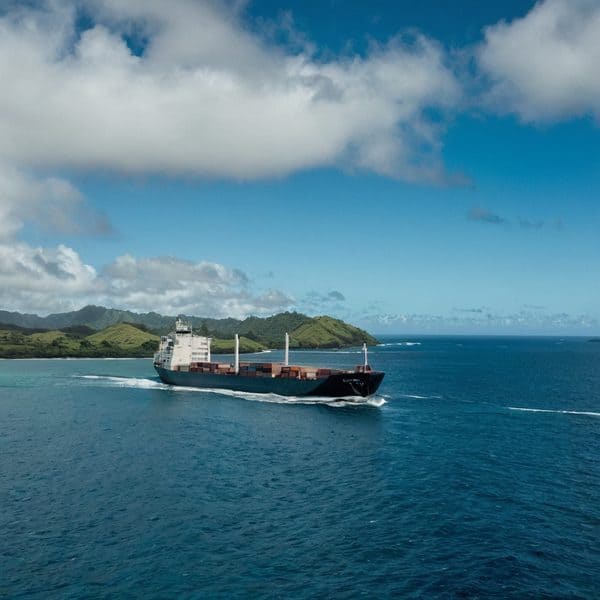
Pacific Island shipping stands at a crossroads: aging fleets and rising fuel costs threaten to leave remote communities cut off. Wind‑assisted propulsion offers a practical near‑term path to lower costs and emissions, but turning promise into reality requires tailored funding, regional innovation, and stronger local capacity. The challenge is as much financial and institutional as…
-
Pacific shipping lifeline at risk as wind-powered decarbonisation push gains momentum
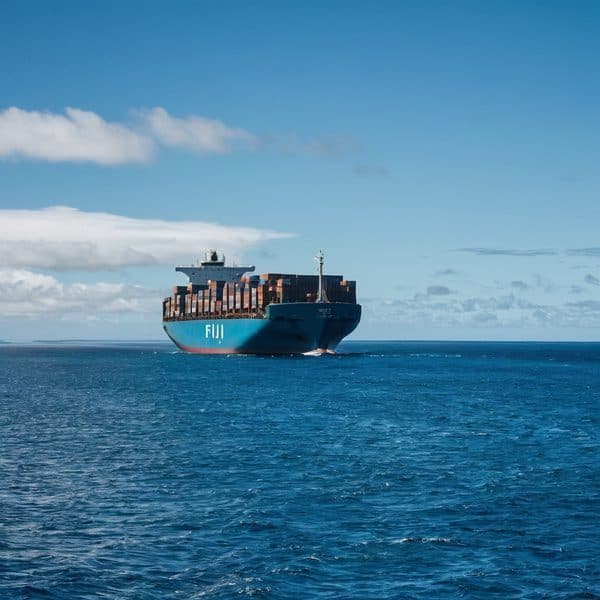
Pacific shipping — the region’s lifeline — is under pressure from aging fleets and rising fuel costs, fueling delays and vulnerabilities. Experts point to a rapid shift to low‑carbon options, including wind‑assisted propulsion, to cut fuel use and boost resilience. A broader look at health, governance and climate priorities shows how risk and opportunity intersect…
-
Pacific Turns to Wind‑Assisted Shipping to Cut Costs and Boost Resilience
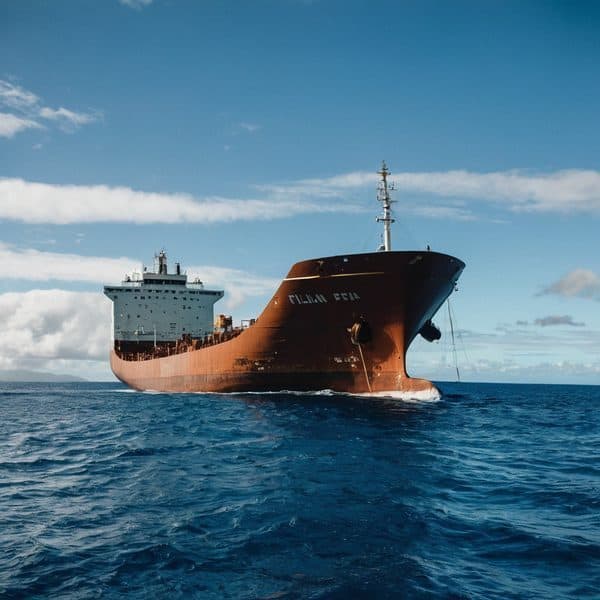
Pacific leaders warn of converging crises—from fragile shipping and rising fuel costs to health and security pressures. Yet experts point to practical fixes like wind-assisted ships and smarter development finance that could shore up island communities, if action follows.
-
Majuro forum backs wind-assisted ships to cut Pacific fuel costs and emissions
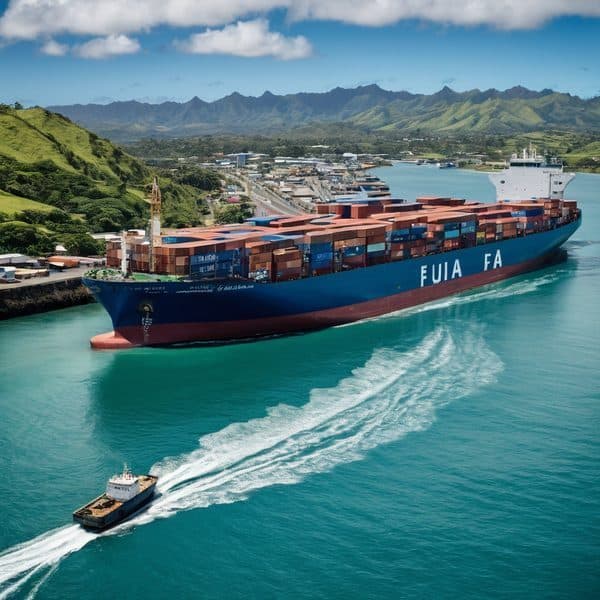
Pacific island shipping is reaching a crisis point as fuel costs rise and aging fleets strain supply chains. At a Majuro forum, experts urged a rapid shift to wind-assisted propulsion and other low-carbon options, arguing that policy reforms, targeted funding, and Pacific-specific R&D could harden lifelines for remote communities while trimming emissions.
-
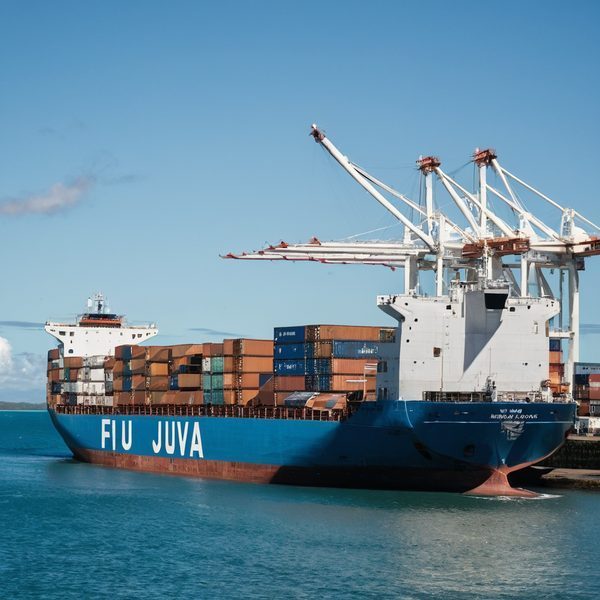
Wind-Assisted Propulsion Emerges as Practical, Low-Cost Fix for Pacific Shipping Crisis
Across the Pacific, remote island communities depend on ships that burn costly fuel and face rising disruptions. A practical near-term fix may already be within reach: wind-assisted propulsion retrofits that could cut fuel use without waiting for distant tech breakthroughs. As policymakers weigh climate-friendly options and everyday supply chains, the debate centers on turning retrofit-ready…
-
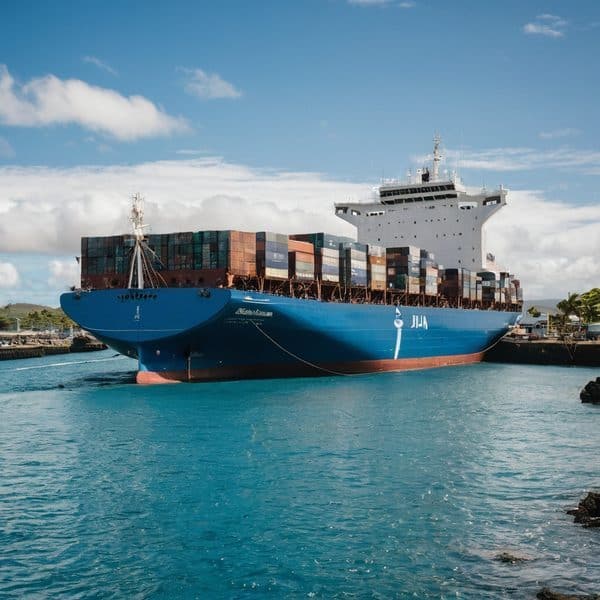
Pacific Islands Rally for Decarbonised Shipping Amid Health, Security and Climate Risks
Pacific island states are facing a rising tide of intertwined risks—from shipping decarbonisation and fragile supply chains to security and health pressures. A string of regional moves signals urgent action, but tailored research, funding, and governance reforms are still urgently needed as communities brace for disruption.
-

Wind-Powered Ships Could Transform Pacific Shipping and Slash Island Fuel Costs
Pacific shipping is the lifeline for remote island communities, but aging fleets and rising fuel costs threaten access to essentials. Experts say a region-specific, wind-assisted, low-carbon shift could cut fuel use and boost resilience—but it hinges on targeted investment and timely policy action. A pivotal moment for how the region keeps goods and people connected.
-
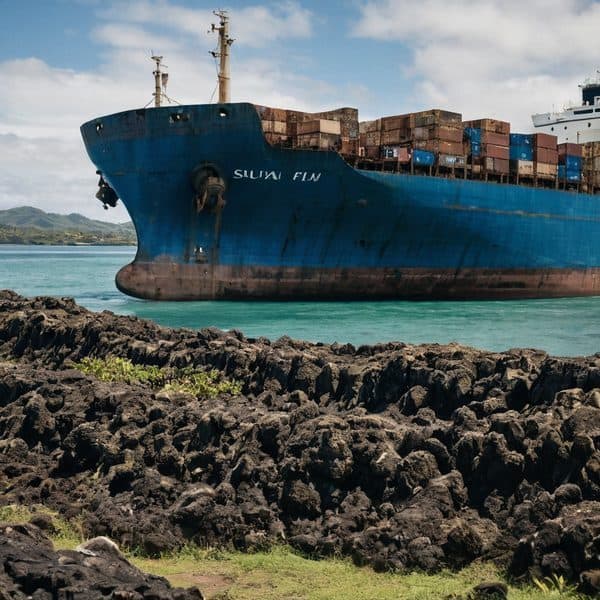
Pacific Shipping Lifeline Under Strain as Decarbonisation Push, Security Alerts and Health Crises Hit Island States
Across the Pacific, a string of fast-moving shocks tests island resilience—from fragile shipping lifelines and urgent climate action to security warnings and health emergencies. As governments chart new responses, the region faces a pivotal moment where governance, climate and commerce collide at sea.
-

Fiji Constitution Review: Human Rights Commission Calls for Broad Public Submissions
Public submissions open on Fiji’s constitutional review, inviting a national conversation about who speaks, and how a rights-based path could shape the future. The HRADC pledges a human-rights lens on the debate, spotlighting questions of identity, the role of religion, and the reach of the Bill of Rights—while urging open, independent dialogue.
-

Unity Fiji urges postponement of Fiji local government elections to safeguard resources for the general election
Unity Fiji argues that holding local government elections alongside a looming general election could stretch scarce state resources. With voter education incomplete and a new ballot system in play, the timetable is drawing sharp scrutiny as September approaches.