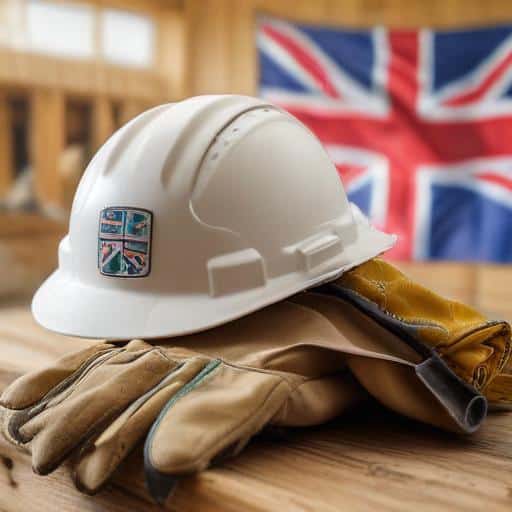
Women in the construction and trade industry in Fiji face ongoing challenges that hinder their participation in these fields, from a scarcity of basic amenities to enduring cultural barriers. Julianne Verma, the chairperson of Women in Construction and Trade Fiji (WICAT), addressed these issues during the Employ Women, Empower the Pacific Talanoa, emphasizing the need for supportive environments that help women thrive in traditionally male-dominated workspaces.
Verma highlighted that WICAT provides a safe space for women to engage in projects, ask questions, and share experiences without fear of being judged. Over the past two years, the association has successfully encouraged many women to enter job sites that may have seemed inaccessible before. However, she pointed out the difficulty in tracking progress due to a lack of reliable data on women’s employment in construction.
The obstacles women face on job sites are significant; inadequate toilet facilities and the need to wear overalls that are not practical for all workers compound the challenges. Verma stated that women are not seeking special privileges but rather equal access to the basic conveniences that male workers enjoy, which could help retain more women in the industry.
This situation is echoed in findings from a recent World Bank report highlighting the disparity in labor market participation in Fiji, where only 43% of women are active, particularly in sectors like construction. Improvements in education have not translated to increased opportunities, as entrenched gender norms continue to limit professional growth.
In tandem, there are promising developments in other sectors, such as the maritime industry, where women are increasingly stepping into leadership roles and making significant contributions. Programs aimed at enhancing women’s participation in various fields are growing, which reflects a broader movement towards gender inclusivity and empowerment throughout Fiji.
As initiatives to improve workplace conditions for women gain momentum, they pave the way for a more equitable and prosperous future, benefiting not just women but the economy as a whole. The ongoing dialogue around these issues, combined with the efforts of organizations like WICAT, brings hope for a more inclusive environment in Fiji’s labor market.
Leave a comment