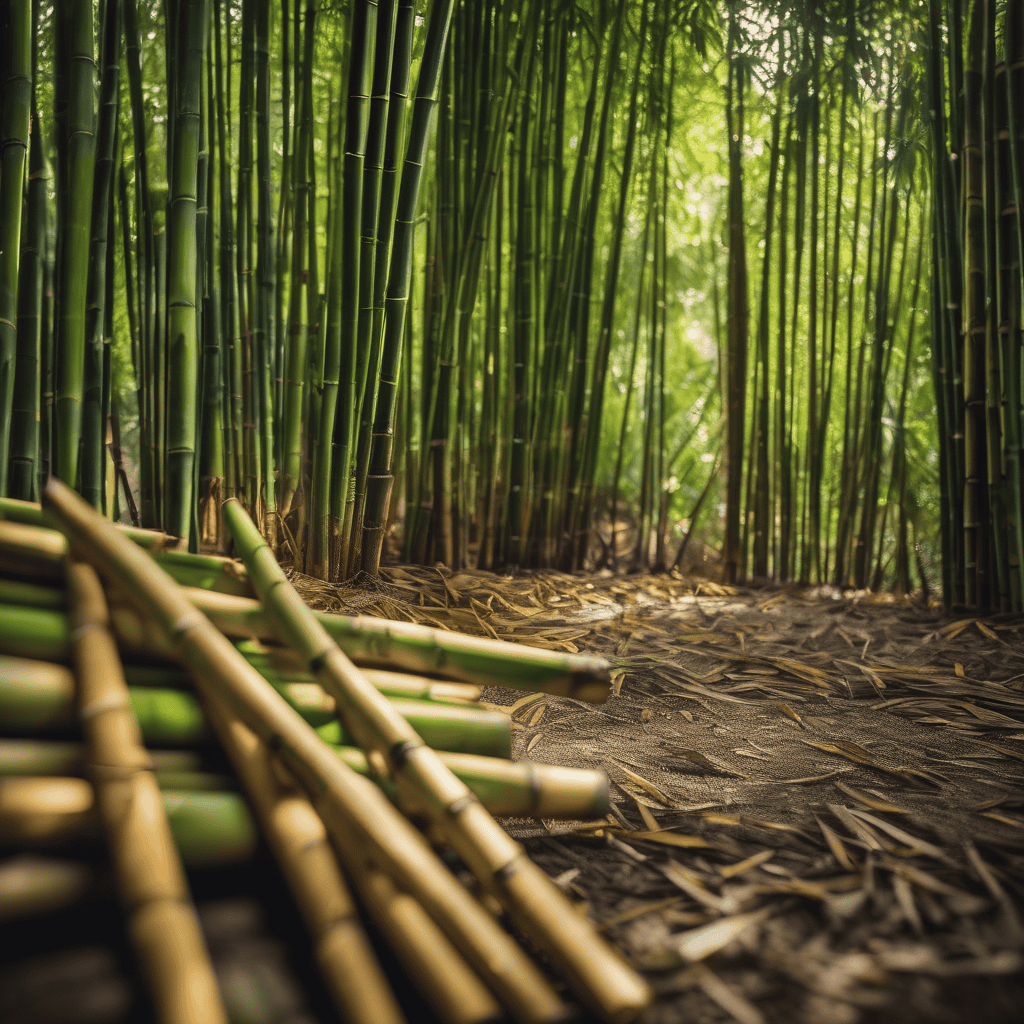
Melaia Korosigasigari’s journey into the field of forestry began not in the classroom, but through the rich experiences she shared with her father in the forests of her childhood. The 23-year-old student at Fiji National University’s Koronivia campus is from Ogea Island in Lau, with family connections to Namosi, and is currently pursuing a Bachelor of Science in Forestry. Her ambition is to advocate for bamboo as a sustainable alternative to traditional timber.
Reflecting on her past, she stated, “My dad and I used to spend a lot of time in the forest when I was growing up. That’s when I fell in love with it, inspiring me to choose forestry as my field of study.” This love for forestry has translated into practical involvement as well, as she participates in Sunnyville Bamboo, a burgeoning craft enterprise led by bamboo expert Sukulu Soko, affectionately known as “Mr. Bamboo.” The business engages in various activities, including weaving, carving, charcoal production, and the creation of furniture, often combining bamboo with traditional materials.
Through her work, Korosigasigari has recognized bamboo as not only versatile but also underappreciated. “Many people don’t realize how valuable bamboo is,” she remarked, noting that nearly every part of the plant—the roots, leaves, stems, and even the water—can be utilized, highlighting its superior sustainability compared to other materials.
Her aspirations extend into the realm of silviculture, where she aims to specialize in the management and cultivation of forestry resources. Korosigasigari has a vision of innovating ways to merge bamboo with wood to create new, modern products. “I want to work on blending wood and bamboo together so we can produce new materials and designs; there is a lot of potential there,” she explained.
Despite forestry being a less popular career choice among youth, she believes that the sector offers substantial opportunities, particularly in bamboo development. “Forestry is not a field many youths think about, but it is rewarding,” she emphasized. With the possibility of wood resources diminishing over time, she views bamboo as a rapidly renewable alternative that could play a critical role in housing and construction.
Korosigasigari is optimistic that ongoing awareness efforts will shift perceptions of bamboo from a simple plant to a valuable economic resource. “People are beginning to see bamboo as something that can be used instead of wood and even concrete in some cases. With more awareness, I believe it will be taken more seriously in the coming years,” she shared.
Her mission is both a professional endeavor and a personal passion, rooted in the work she has known since childhood. By expanding her knowledge in weaving and bamboo utilization, she is dedicated to contributing to a more sustainable future for Fiji’s construction and craft industries. “It’s something I truly enjoy, and I believe it has a strong future,” she concluded, leaving readers with a sense of hope for the emerging potential of bamboo in sustainable development.
Leave a comment