Pacific Islands
-

Pacific Island Shipping Turns to Wind-Assisted Vessels as Quick Lifeline
Pacific island shipping is buckling under aging fleets, risking empty shelves and fuel shortages for remote communities. A wind-assisted propulsion shift is emerging as a practical short-term lifeline—if paired with targeted R&D, climate finance, and regional coordination.
-
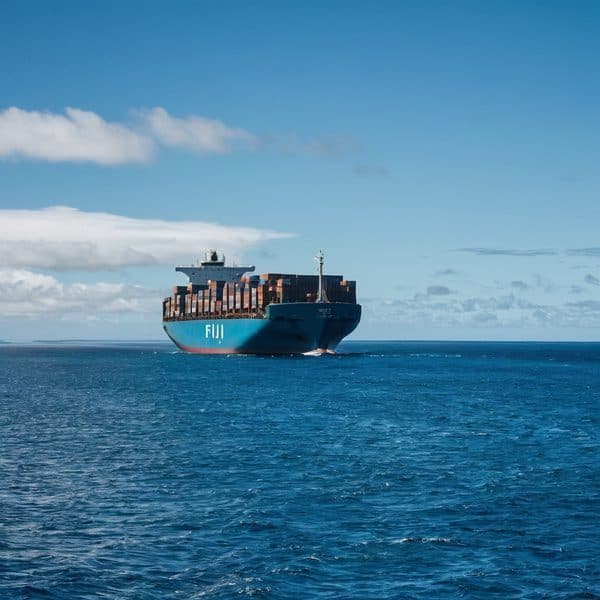
Pacific shipping lifeline at risk as wind-powered decarbonisation push gains momentum
Pacific shipping — the region’s lifeline — is under pressure from aging fleets and rising fuel costs, fueling delays and vulnerabilities. Experts point to a rapid shift to low‑carbon options, including wind‑assisted propulsion, to cut fuel use and boost resilience. A broader look at health, governance and climate priorities shows how risk and opportunity intersect…
-
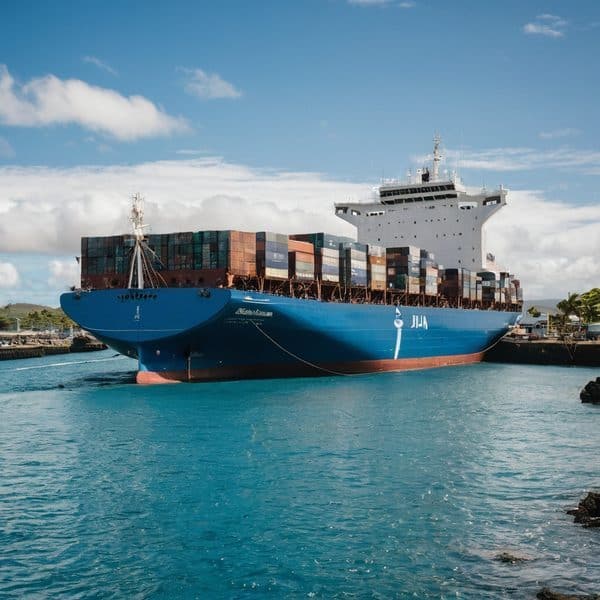
Pacific Islands Rally for Decarbonised Shipping Amid Health, Security and Climate Risks
Pacific island states are facing a rising tide of intertwined risks—from shipping decarbonisation and fragile supply chains to security and health pressures. A string of regional moves signals urgent action, but tailored research, funding, and governance reforms are still urgently needed as communities brace for disruption.
-
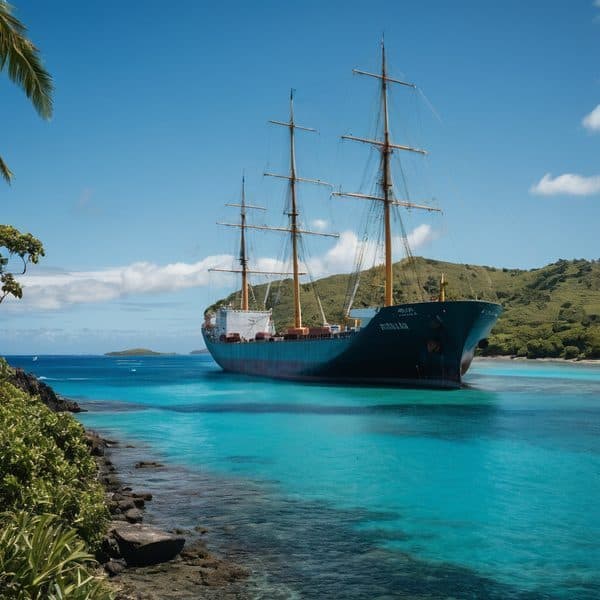
Wind-Powered Ships Could Transform Pacific Shipping and Slash Island Fuel Costs
Pacific shipping is the lifeline for remote island communities, but aging fleets and rising fuel costs threaten access to essentials. Experts say a region-specific, wind-assisted, low-carbon shift could cut fuel use and boost resilience—but it hinges on targeted investment and timely policy action. A pivotal moment for how the region keeps goods and people connected.
-
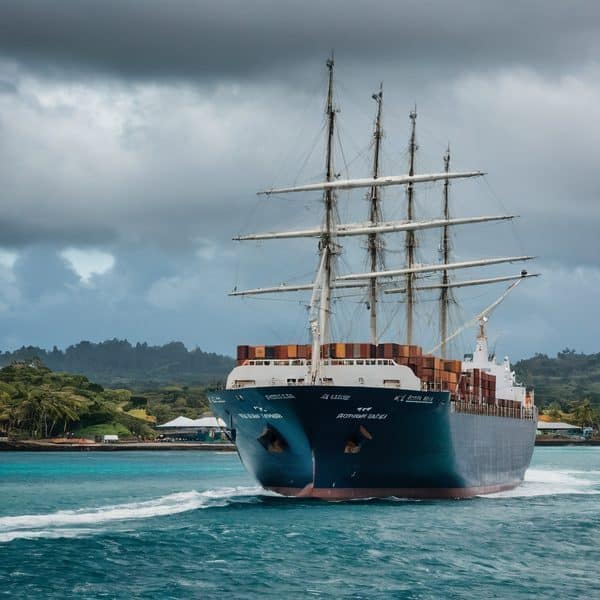
Wind-assisted ships could slash Pacific fuel use by 40% as regional governments tighten maritime rules
Across the Pacific, a new regional bulletin flags mounting pressure on shipping, security and public services. It highlights wind‑assisted propulsion as a practical path to decarbonise island routes, even as crime, health and education pressures test resilience. In the months ahead, key decisions could reshape how the region keeps goods moving and communities thriving.
-

Port Vila II: Pacific Islands Demand Global Fossil Fuel Treaty and Financing for a Just Transition
Fuel shocks and tightening budgets push Pacific island nations to demand a just transition away from oil. As Port Vila hosts a pivotal dialogue, leaders explore a unified regional stance that could shape global talks on energy and security.
-
Maire Bopp: Pacific HIV Advocate Whose 1998 Disclosure Sparked Regional Change
Maire Bopp’s courage to speak openly about living with HIV helped redefine the Pacific’s approach to stigma, testing, and care. Her intimate, resilient story became a catalyst for a new generation of activists pushing for real change.
-

VEPA Wins Inaugural PRISMSS Award in Tonga for Restoring Island Resilience Against Invasive Species
Vava’u Environmental Protection Association (VEPA) in Tonga has been named the inaugural Restoring Island Resilience Award winner, spotlighting the growing threat invasive species pose to Pacific food security and biodiversity. The win comes with plans to scale up outreach and action, while elevating women and youth leadership in conservation across island communities.
-

Nadi Hosts Pacific Regional Workshop to Strengthen Airport Resilience Under ICAO Annex 14
Pacific aviation leaders gather to map resilient, standards-aligned aerodromes that keep island nations connected even in crises. A hands-on workshop in Nadi dives into practical steps—from runway safety to emergency readiness—shaping how small airports adapt to climate challenges and growing demand.
-
Pacific Islands Forum Pushes Concrete Gender Equality Action at CSW70 as Solomon Islands Tests Gender-Responsive Budgeting
A regional push to turn gender equality pledges into real-world action is gaining momentum across Pacific nations—from budget reforms to survivor-centered services and climate-aware protections for women and communities.