climate change
-
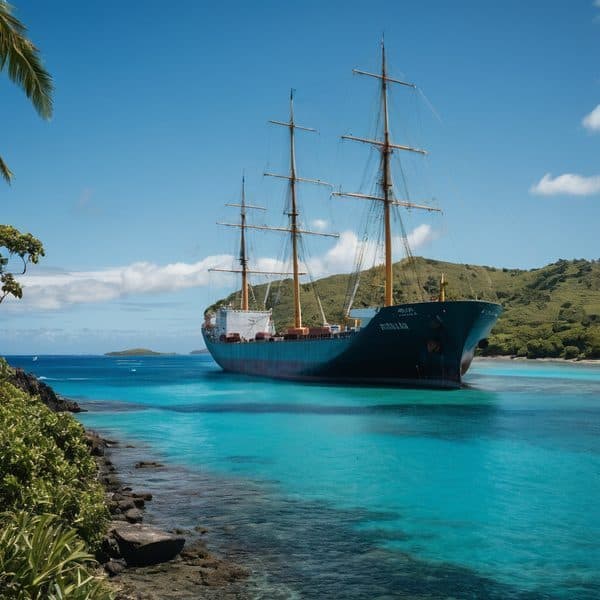
Wind-Powered Ships Could Transform Pacific Shipping and Slash Island Fuel Costs
Pacific shipping is the lifeline for remote island communities, but aging fleets and rising fuel costs threaten access to essentials. Experts say a region-specific, wind-assisted, low-carbon shift could cut fuel use and boost resilience—but it hinges on targeted investment and timely policy action. A pivotal moment for how the region keeps goods and people connected.
-
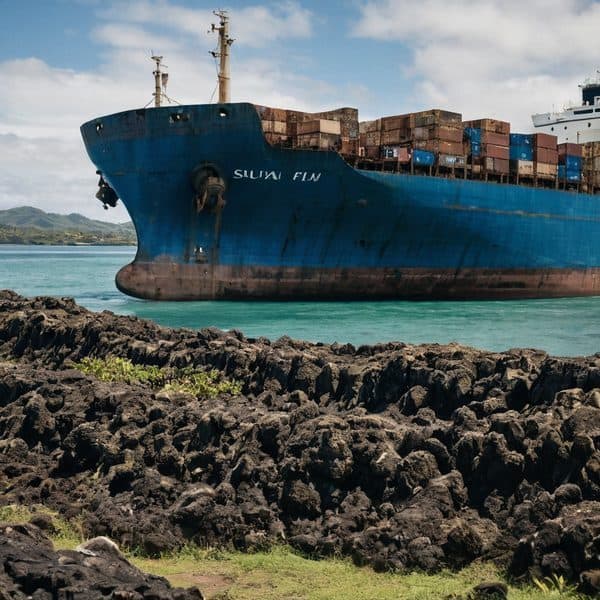
Pacific Shipping Lifeline Under Strain as Decarbonisation Push, Security Alerts and Health Crises Hit Island States
Across the Pacific, a string of fast-moving shocks tests island resilience—from fragile shipping lifelines and urgent climate action to security warnings and health emergencies. As governments chart new responses, the region faces a pivotal moment where governance, climate and commerce collide at sea.
-

Wind‑Assisted Shipping Could Shield Pacific Islands From Isolation and Soaring Fuel Costs
Remote Pacific communities are facing a crisis as shipping lifelines strain under rising fuel costs and unreliable sailings. Experts warn that low‑carbon, wind‑assisted vessels could unlock big fuel savings, but solutions must fit small island fleets. Regional talks hint at a window for practical decarbonisation—if targeted support and policy action arrive in time.
-

Pacific Island Shipping Crisis: Wind-Assisted Vessels Could Slash Fuel Use and Cut Emissions
Pacific shipping, the region’s lifeline for food, fuel and trade, is facing a deepening crisis. Experts say wind‑assisted, low‑carbon vessels could deliver quick fuel savings, but only with targeted Pacific‑specific research and fast‑tracked investment to fit local routes and communities.
-
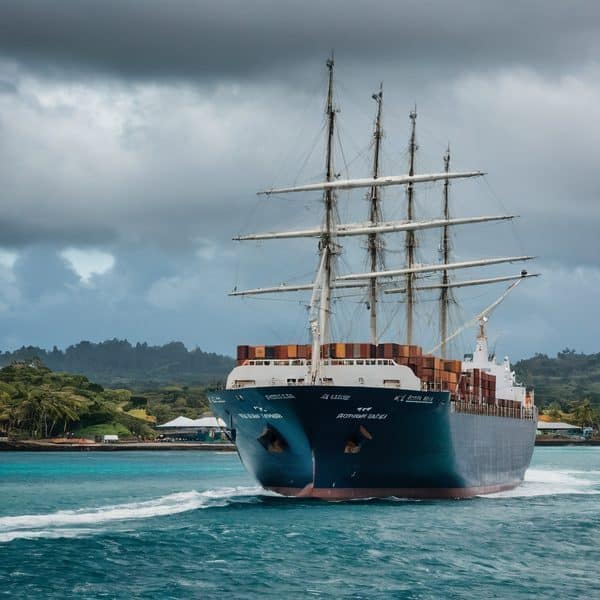
Wind-assisted ships could slash Pacific fuel use by 40% as regional governments tighten maritime rules
Across the Pacific, a new regional bulletin flags mounting pressure on shipping, security and public services. It highlights wind‑assisted propulsion as a practical path to decarbonise island routes, even as crime, health and education pressures test resilience. In the months ahead, key decisions could reshape how the region keeps goods moving and communities thriving.
-
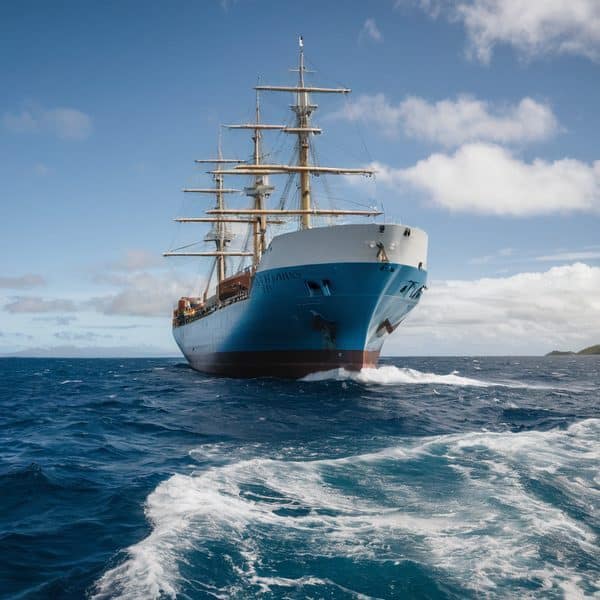
Pacific Islands Eye Wind-Assisted Propulsion as Near-Term Fix for Aging Fleet
Pacific island shipping is at a tipping point as aging fleets and soaring fuel costs threaten essential lifelines for remote communities. Wind-assisted propulsion is being touted as a practical near-term fix, but experts warn that financing, insurance and maintenance gaps must be addressed to scale the solution across the region.
-
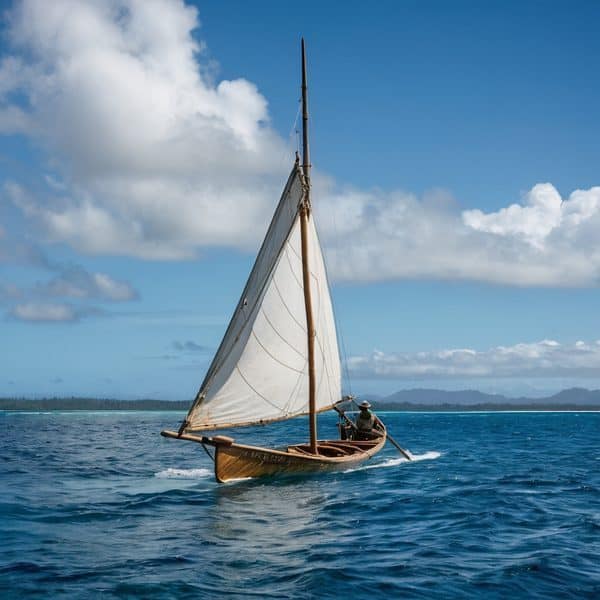
Wind-Assisted Shipping Could Save the Pacific Up to 40% in Fuel, Majuro Forum Says
Pacific shipping—the lifeline for island communities—faces mounting pressure from aging fleets and rising fuel costs. Experts now point to wind-assisted propulsion and region-tailored low-carbon tech as a practical path to significant fuel savings, supported by targeted pilots and financing that fit local needs.
-
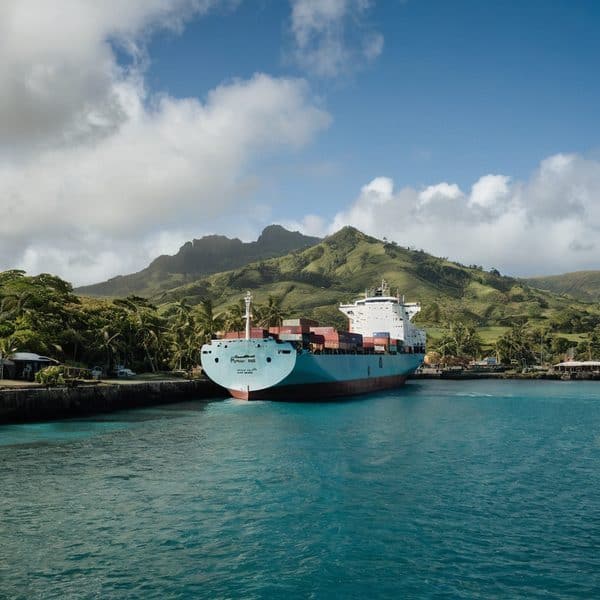
Pacific Islands Urged to Invest in Wind‑Assisted Shipping to Slash Fuel Costs and Emissions
Rising fuel costs and aging fleets threaten the Pacific’s island lifeline. Researchers point to practical, low‑carbon options—like wind‑assisted propulsion—that could slash fuel use and strengthen regional connectivity, if investment and policy keep pace.
-

Port Vila II: Pacific Islands Forge Unified Stance on Fossil Fuel Phase-Out Ahead of Santa Marta Talks
Fuel shortages are sharpening the Pacific’s push for a united, just transition away from fossil fuels. In Port Vila, ministers plan to shape a regional stance and form a new taskforce to carry Pacific priorities into high-stakes global climate diplomacy. For island nations on the frontlines of change, the coming weeks could redefine the pace…
-

Pacific 2050 Strategy Progress: Gains in Regional Cooperation, but Funding and Capacity Shortfalls Slow Action
Progress on the Pacific Leaders’ 2050 Strategy shows stronger regional cooperation and growing technical support across sectors. Yet capacity constraints and funding gaps are stalling delivery, risking momentum on climate resilience, ocean management and development. The report calls for sharper monitoring and long-term, predictable funding to translate commitments into real community outcomes.